Cultural Displays At Asian Fair
The Twin Cities West Metro Asian Fair is seeking organizations to host cultural booths. Following a successful 2025 with over 20 participants, these booths offer a space to share Asian heritage through crafts, displays, and storytelling to promote community understanding.
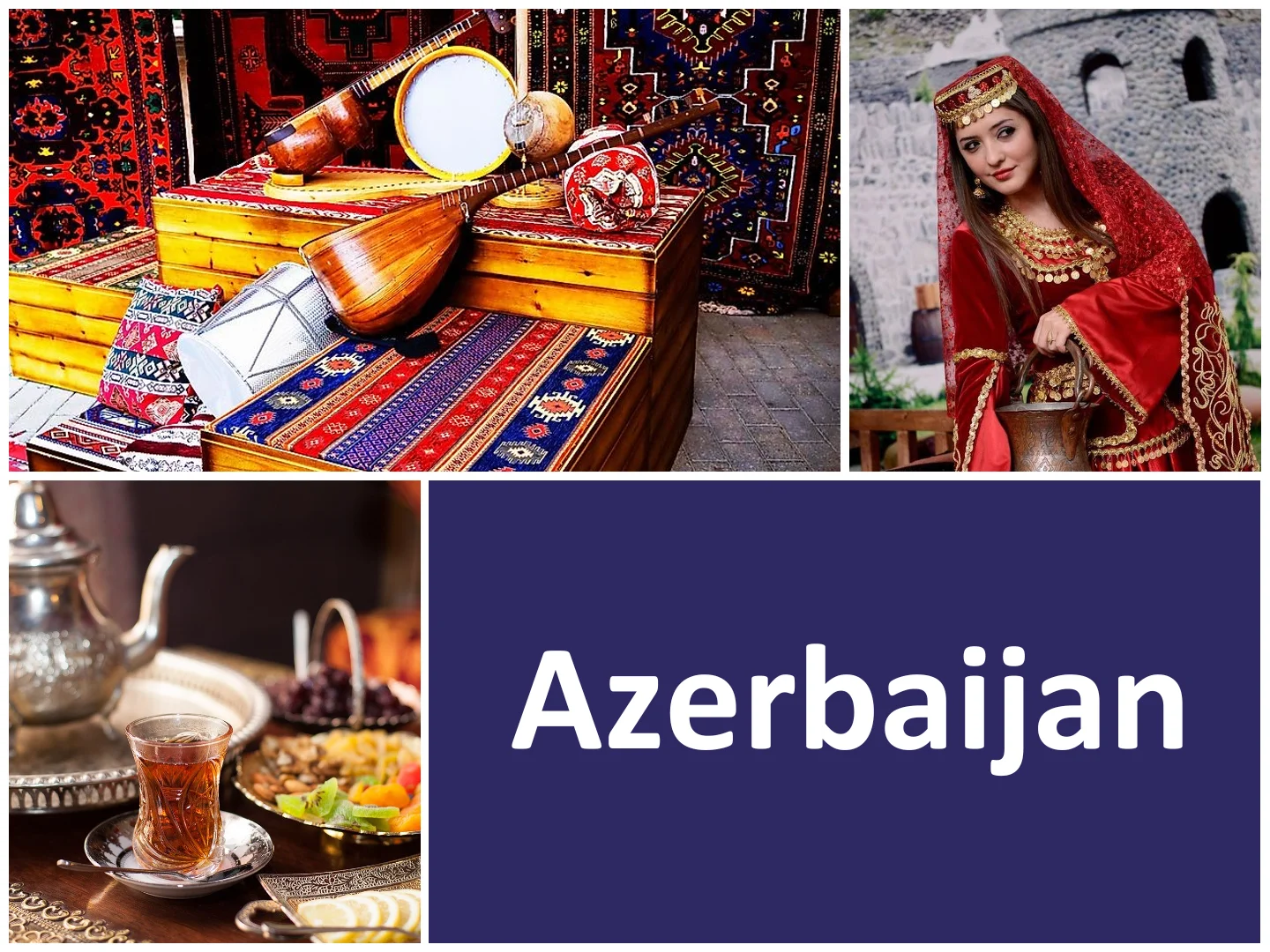
Azerbaijan is known for having a diverse and rich cultural legacy. The nation’s Turkic ancestry have a profound impact on its dynamic culture. World-famous Azerbaijani food includes delicious delicacies like shah plov, kebabs, paxlava, and dolma. The traditional Mugham genre may be heard throughout the country’s musical legacy. Its vibrant culture is on display in national dances like Yalli. Along with its long history of cultural traditions, Azerbaijan is also well known for its gorgeous carpets and traditional crafts. Azerbaijan’s architecture showcases its rich heritage, from the medieval wonders of Baku’s Old City, like the Maiden Tower and Shirvanshahs’ Palace, to the Islamic designs of mosques and bathhouses. Modern structures, such as the Flame Towers and Zaha Hadid’s Heydar Aliyev Center, blend tradition with innovation. The Gobustan Rock Art Cultural Landscape adds a prehistoric dimension to the nation’s diverse architectural legacy.
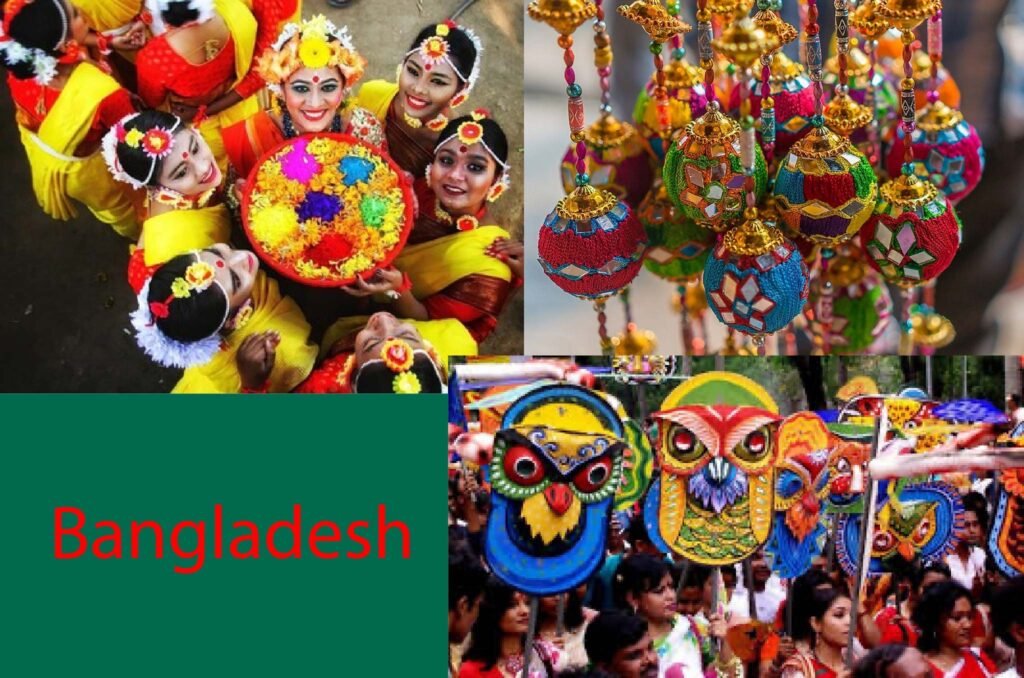
Bangladesh is rich, diverse, and shaped by centuries of history, religion, and tradition. The national language, Bengali, plays a central role in national identity, especially since the historic Bengali Language Movement of 1952, which honored the importance of linguistic rights. Religion strongly influences daily life, with Islam as the majority faith, while Hindus, Buddhists, and Christians also contribute to cultural diversity. Major celebrations include Eid al-Fitr and Durga Puja. Traditional clothing such as the sari and panjabi reflects cultural heritage. Rice and fish are staple foods, especially dishes made with Hilsa Fish. Literature and music, influenced by figures like Rabindranath Tagore, remain important parts of Bangladeshi cultural life.
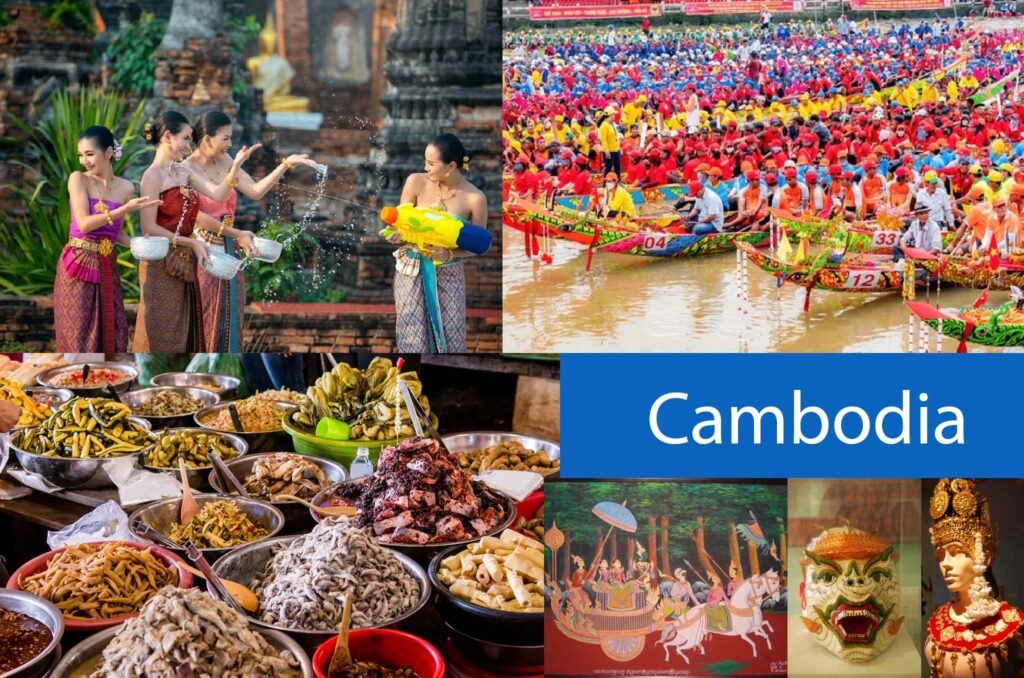
Cambodian culture is deeply influenced by religion, history, and traditional values. The majority of people practice Theravada Buddhism, which shapes daily life, festivals, and moral beliefs. Family and respect for elders are very important in Cambodian society. Traditional arts such as Apsara dance, classical music, and silk weaving reflect the country’s ancient heritage from the Khmer Empire. Cambodian cuisine often includes rice, fish, herbs, and dishes like amok (a coconut curry). Major celebrations include Khmer New Year and Pchum Ben, honoring ancestors. Temples, especially Angkor Wat, symbolize Cambodia’s rich architectural and spiritual history. Despite past hardships, including the Khmer Rouge period, Cambodian culture remains resilient, preserving traditions while gradually blending with modern influences and global connections today.
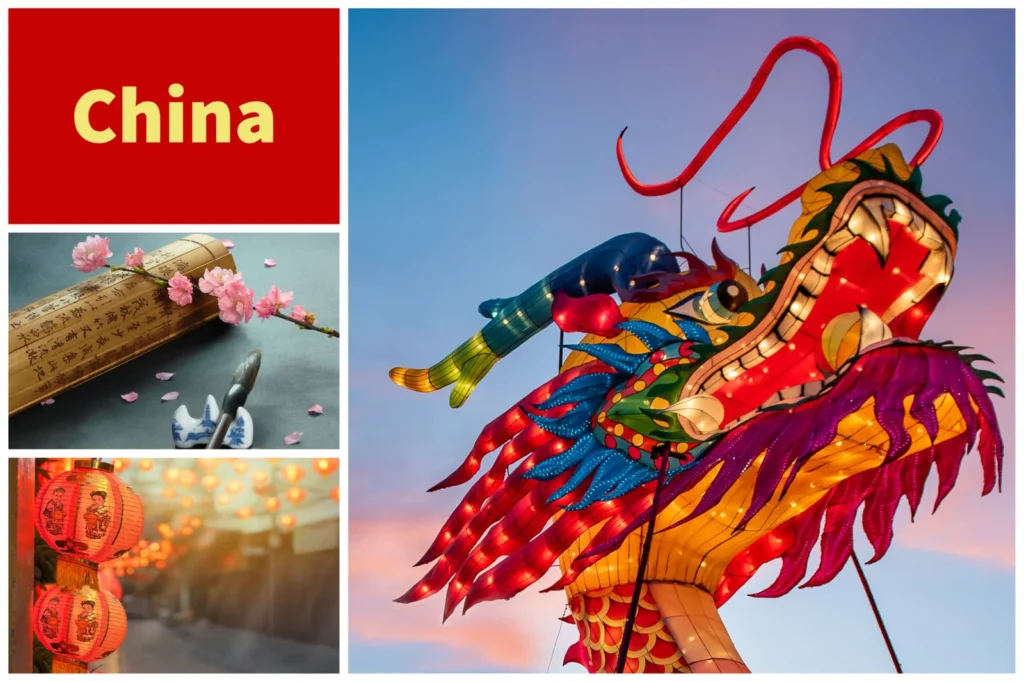
Chinese culture is one of the world’s oldest continuous civilizations, with a history of more than 5,000 years. It is strongly influenced by philosophies such as Confucius’s teachings, which emphasize respect, family loyalty, and social harmony. Family plays a central role, and honoring elders and ancestors is an important tradition. Festivals such as Chinese New Year feature dragon dances, lanterns, and family reunions. Traditional arts include calligraphy, painting, martial arts, and opera. Chinese cuisine is diverse, with famous dishes like dumplings and noodles. Historic landmarks such as the Great Wall of China reflect the country’s rich heritage. Today, China blends ancient traditions with modern development and global cultural influences.
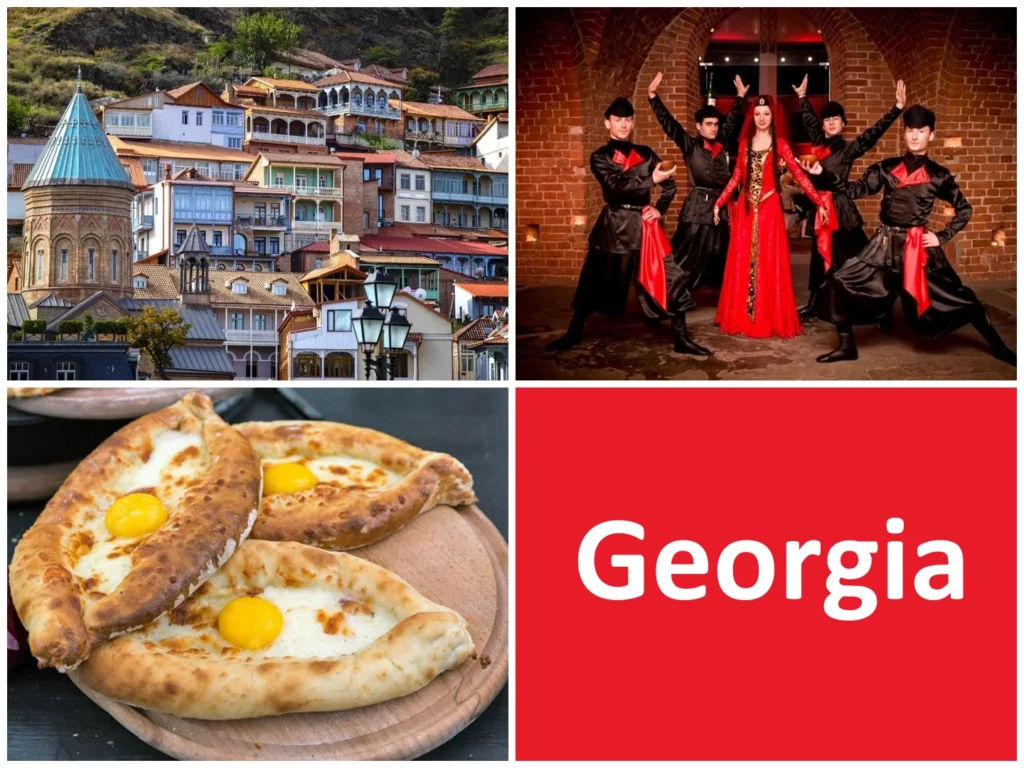
Georgia is rich, ancient, and strongly influenced by tradition, religion, and hospitality. Family and community are central values in Georgian society. One famous tradition is the supra, a large feast where people share food, wine, and toasts led by a toastmaster called the tamada. Georgian culture is also known for its unique music, especially traditional polyphonic singing recognized by UNESCO as cultural heritage. Dance is another important art form, featuring energetic movements and colorful costumes. Religion plays a major role, with the Georgian Orthodox Church influencing many traditions and holidays. Georgian cuisine, including dishes like khachapuri and khinkali, is also an essential part of everyday cultural life.
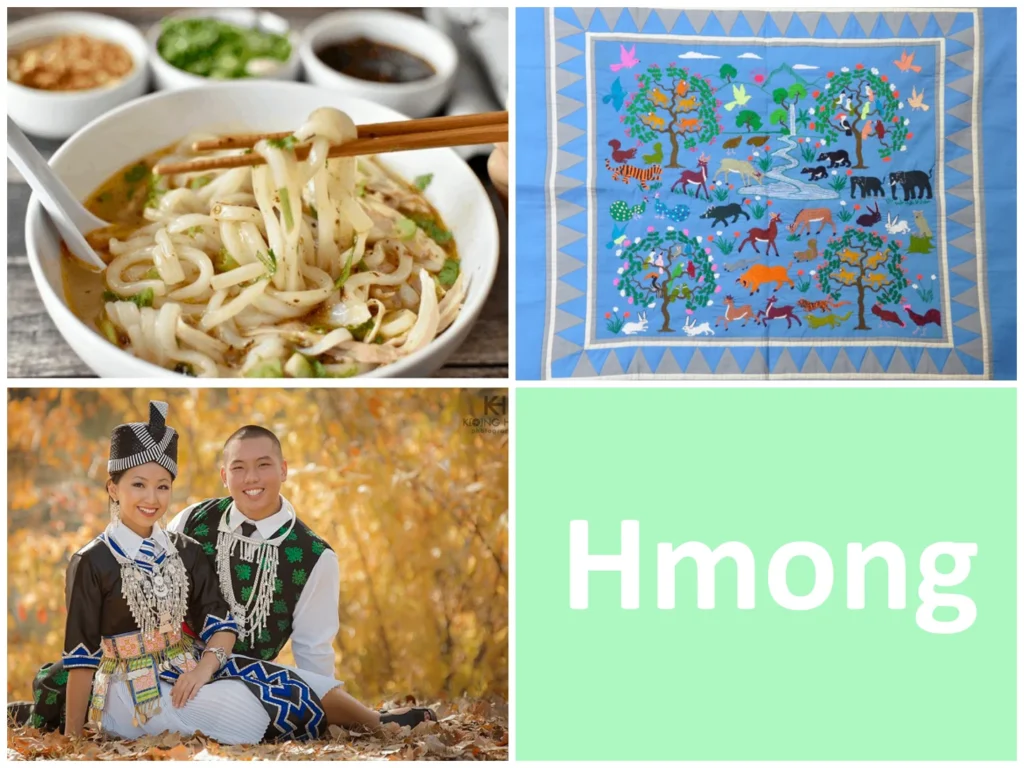
Hmong culture is a rich and unique tradition practiced by the Hmong people, who originally come from regions of China and Southeast Asia such as Laos, Vietnam, and Thailand. Family and clan relationships are central to Hmong society, and respect for elders is very important. Traditional clothing is known for colorful embroidery called paj ntaub. One of the most important celebrations is Hmong New Year, which includes music, dancing, traditional games, and community gatherings. Spiritual beliefs, including ancestor worship and shamanism, are also significant parts of Hmong life. Today, many Hmong communities live around the world, especially in the United States, while continuing to preserve their cultural traditions.
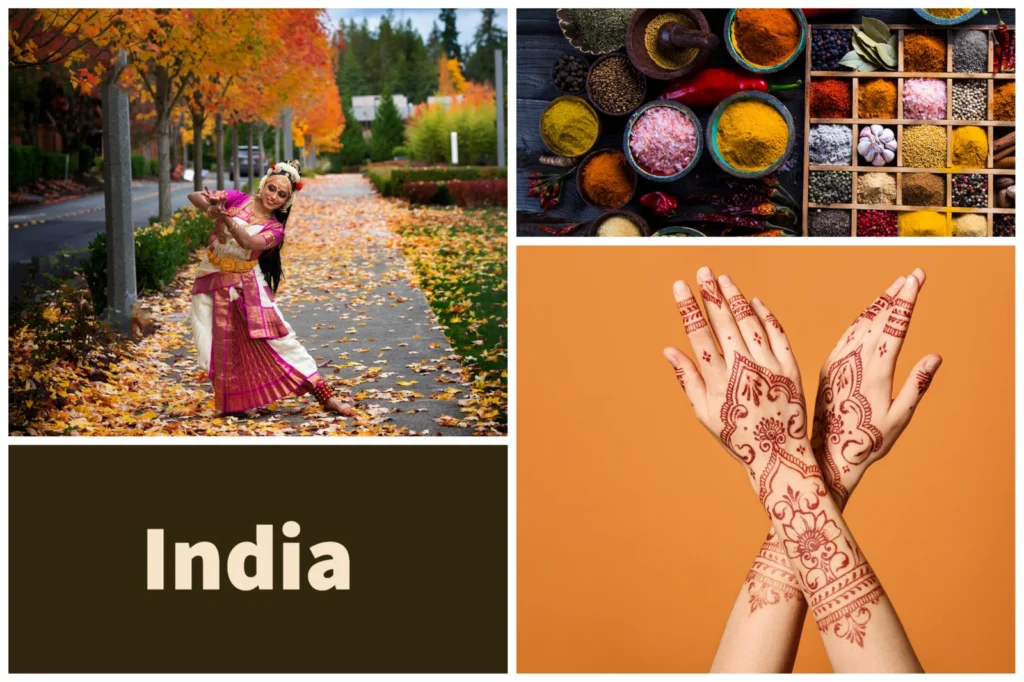
India is one of the oldest and most diverse in the world. It has been shaped by many religions, languages, and traditions over thousands of years. Major religions such as Hinduism, Islam, Sikhism, and Buddhism influence daily life and values. Family and respect for elders are very important in Indian society. Festivals such as Diwali, Holi, and Eid al-Fitr are widely celebrated with joy. Traditional arts include classical dances, music, and colorful clothing like sarees. Indian cuisine is famous for its spices and diverse regional dishes enjoyed around the world.
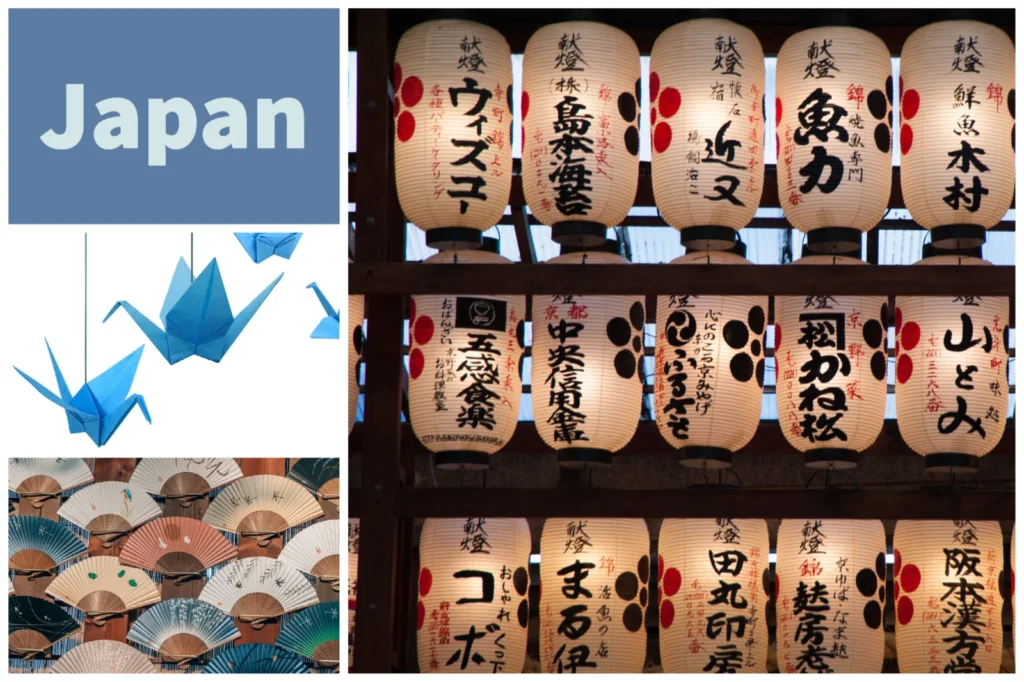
Japan blends ancient traditions with modern life. Respect, discipline, and harmony are important values in Japanese society. Traditional customs are influenced by religions such as Shinto and Buddhism. Cultural practices include the tea ceremony, calligraphy, and flower arranging known as ikebana. Festivals and seasonal events are also significant, especially the cherry blossom viewing called Hanami. Traditional clothing like the kimono and arts such as kabuki theater reflect Japan’s heritage. Japanese cuisine, including sushi, ramen, and rice-based dishes, is popular worldwide. Overall, Japanese culture values tradition, beauty, and respect while embracing technology and modern innovations.
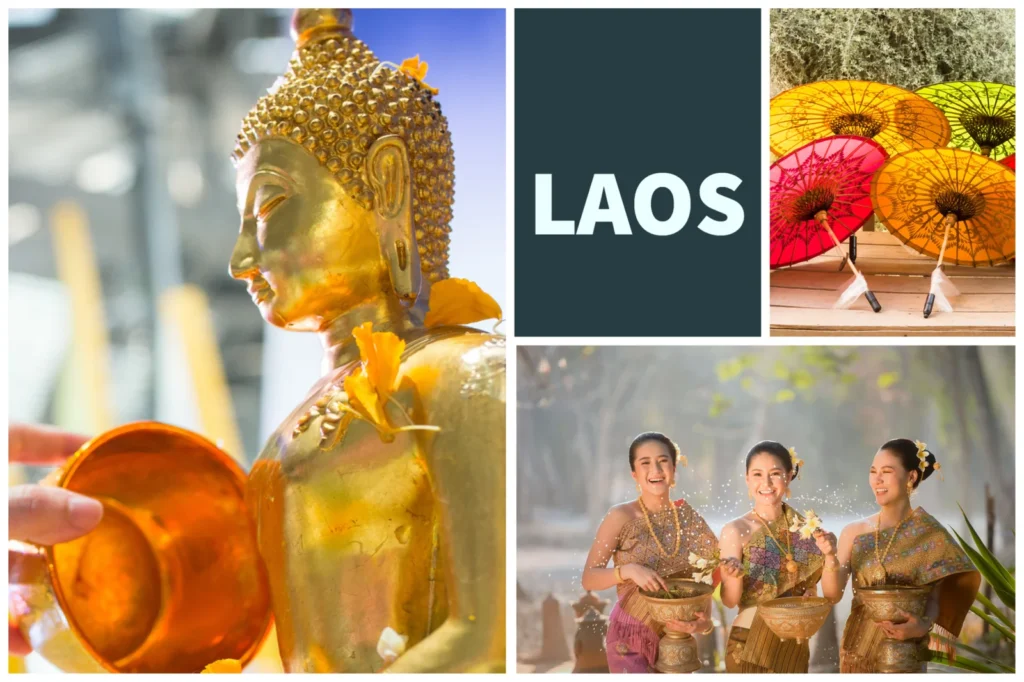
Laos is strongly influenced by tradition, religion, and community values. Most Lao people practice Theravada Buddhism, which shapes daily life, festivals, and moral beliefs. Respect for elders and family bonds are very important in Lao society. One important tradition is the morning alms-giving ceremony where people offer food to monks. Major celebrations include Boun Pi Mai, marked by water celebrations, temple visits, and family gatherings. Traditional arts such as dance, music, and weaving are also important cultural expressions. Sticky rice is the main food and is eaten with many dishes. Overall, Lao culture values peace, respect, spirituality, and strong community relationships.
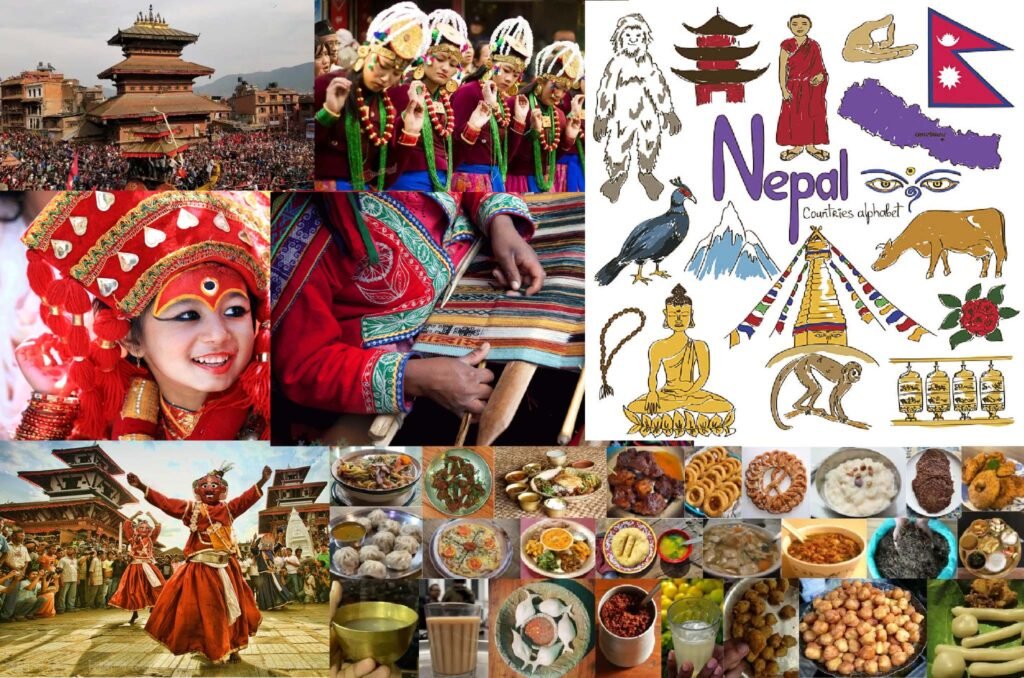
Nepal is rich and diverse, shaped by many ethnic groups, religions, and traditions. The main religions are Hinduism and Buddhism, which influence festivals, customs, and daily life. Family and respect for elders are important values in Nepali society. One of the biggest celebrations is Dashain, when families gather, worship, and receive blessings. Traditional music, dance, and clothing are important cultural expressions. Nepal is also known for its beautiful temples and landmarks such as Boudhanath Stupa. Nepali cuisine often includes rice, lentils, and vegetables. Overall, Nepalese culture values spirituality, community, and strong family traditions.
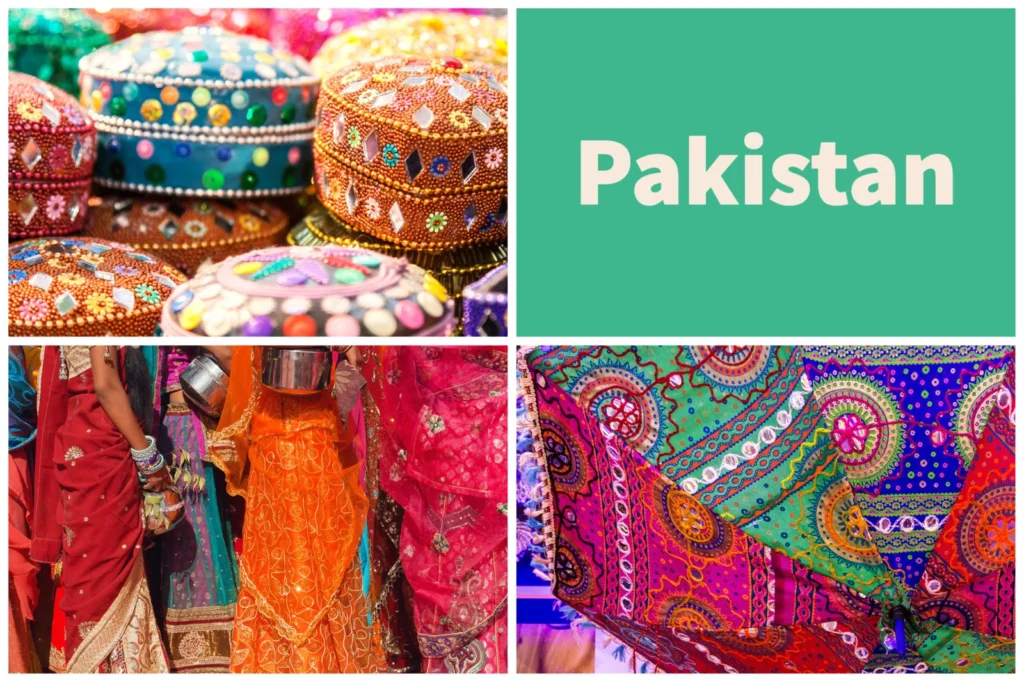
Pakistan is rich and diverse, shaped by history, religion, and regional traditions. The majority of people follow Islam, which influences daily life, customs, and celebrations. Family and hospitality are very important values in Pakistani society. Major festivals such as Eid al-Fitr and Eid al-Adha are celebrated with prayers, family gatherings, and special foods. Traditional clothing includes shalwar kameez, worn by both men and women. Pakistani culture is also known for music, poetry, and colorful truck art. Popular foods like biryani, kebabs, and naan are widely enjoyed. Overall, Pakistani culture emphasizes faith, family, respect, and strong cultural traditions.
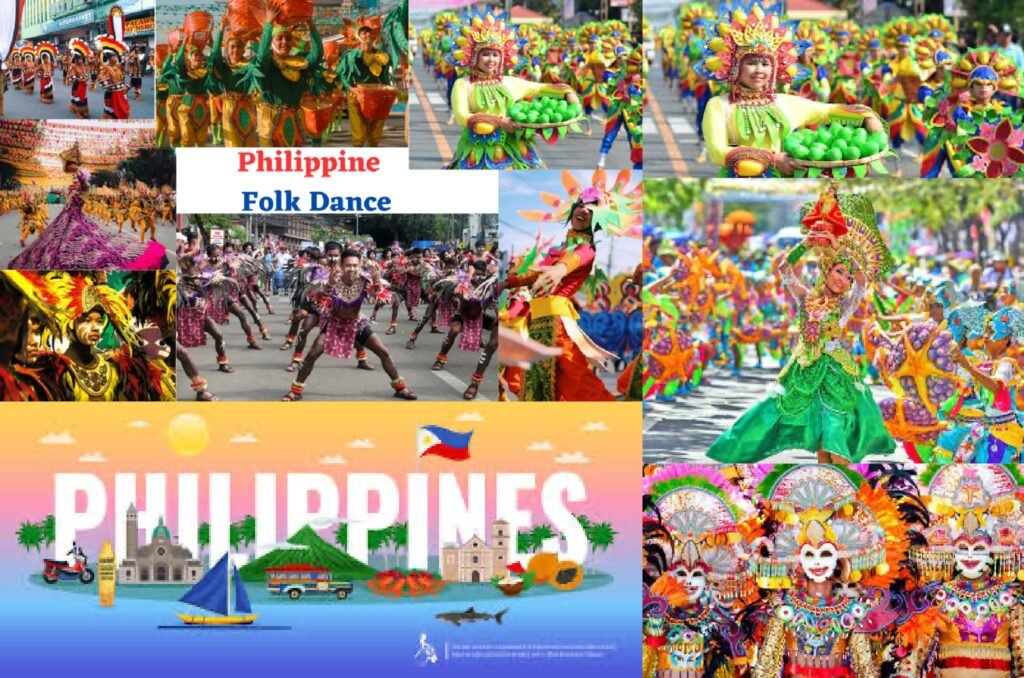
Philippines is vibrant and influenced by Asian, Spanish, and American traditions. Family is the center of Filipino life, and respect for elders is very important. The majority of people practice Roman Catholic Church, which shapes many customs and celebrations. Festivals called fiestas are common, including the famous Sinulog. Traditional clothing includes the Barong Tagalog for men and colorful dresses for women. Filipino culture is also known for music, dance, and hospitality. Popular foods such as adobo, rice dishes, and lechon are widely enjoyed. Overall, Philippine culture values family unity, faith, celebration, and strong community relationships.
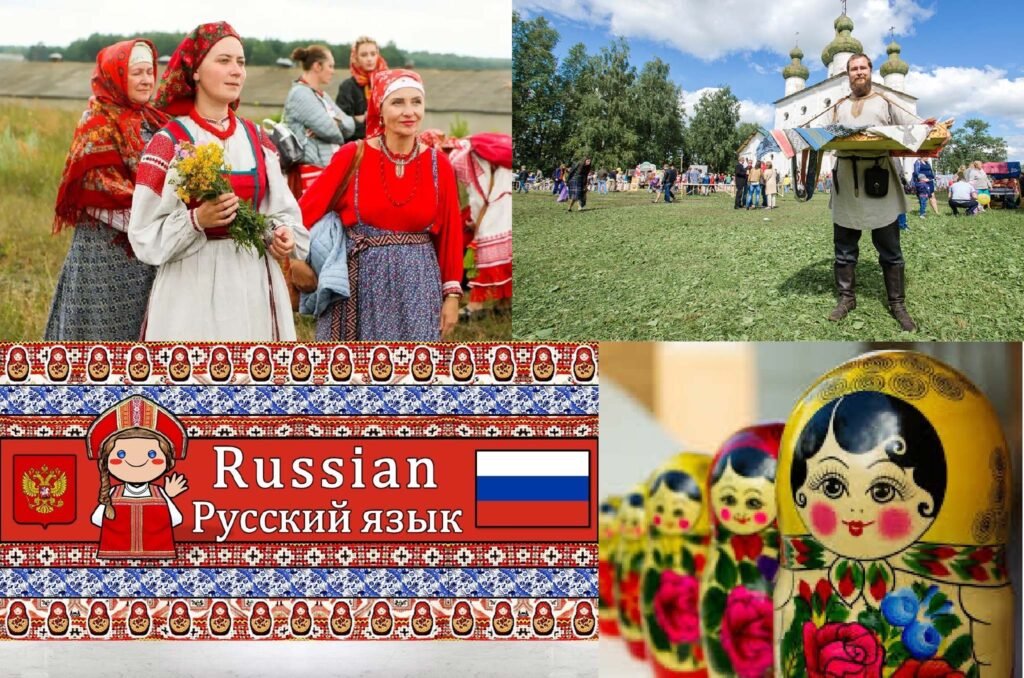
Russian culture is a vast tapestry woven from profound literature, classical arts, and resilient traditions. It is famously defined by its “Golden Age” writers like Tolstoy and Dostoevsky, whose psychological novels explore the complexities of the human soul. In the performing arts, Russia’s contribution is unmatched, featuring the emotive compositions of Tchaikovsky and the world-renowned precision of the Bolshoi Ballet. Visually, the culture is recognized by the iconic onion domes of Orthodox churches and intricate folk crafts like Matryoshka dolls. Beyond the arts, Russian life centers on hospitality and the “dacha” (country house) culture. From the spiritual depth of its icons to the communal warmth of a tea ceremony around a samovar, Russian culture balances a stoic exterior with a deeply emotional and intellectual heart.
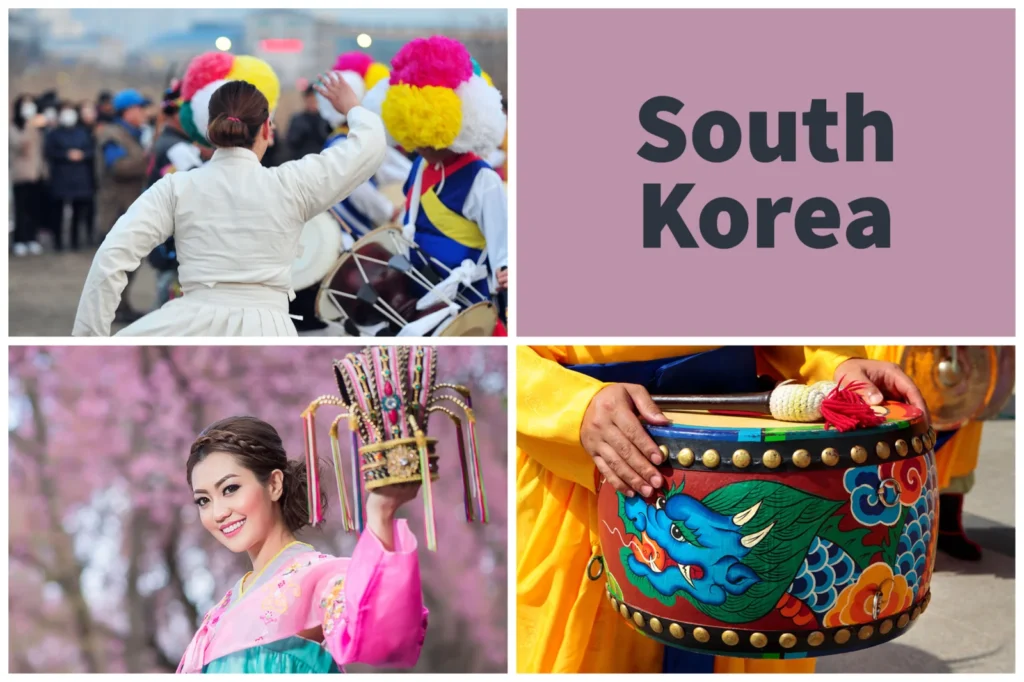
South Korea’s culture is a dynamic blend of ancient Confucian traditions and cutting-edge modernity. This harmony is best seen in its architecture, where historic Hanok villages sit in the shadow of neon-lit skyscrapers. The nation’s global influence has skyrocketed through the “Hallyu” (Korean Wave), driven by the infectious energy of K-pop and gripping K-dramas.
Socially, the culture emphasizes respect for elders and collective harmony. This communal spirit extends to its world-famous cuisine, centered on Kimchi and shared “Gogi-gui” (Korean BBQ). From the precision of Taekwondo to the intricate beauty of Hanbok dress, South Korea balances a fast-paced “Pali-pali” (hurry-hurry) lifestyle with a deep-seated reverence for its scholarly and artistic past, creating a unique, vibrant national identity.
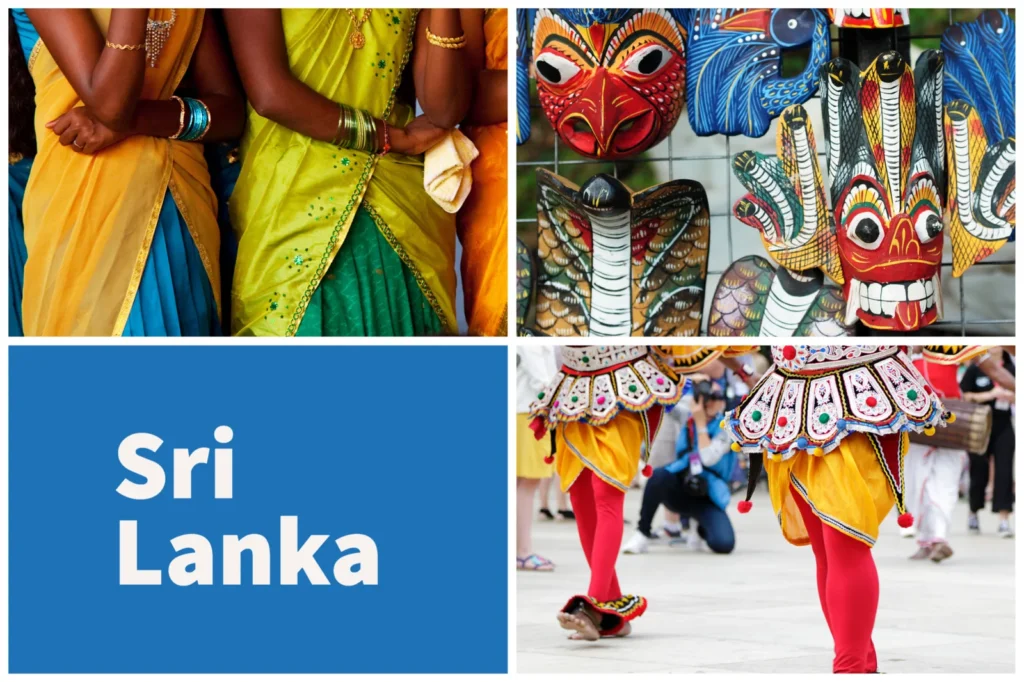
Sri Lankan culture is a vibrant mosaic shaped by over 2,500 years of history and a deep-rooted Buddhist heritage. The island’s identity is anchored by the “Rice and Curry” culinary tradition, where diverse spices create a symphony of flavors. Social life revolves around hospitality and the “Ayubowan” greeting, reflecting a wish for long life.
Artistically, the culture is defined by the rhythmic thunder of Kandyan drumming and the elaborate costumes of the Esala Perahera festival. From the ancient rock fortress of Sigiriya to the intricate carvings of Hindu kovils, the architecture tells a story of multicultural harmony. Whether it is the serene ritual of drinking Ceylon tea or the spirited passion for cricket, Sri Lanka balances spiritual tranquility with a colorful, resilient zest for life.
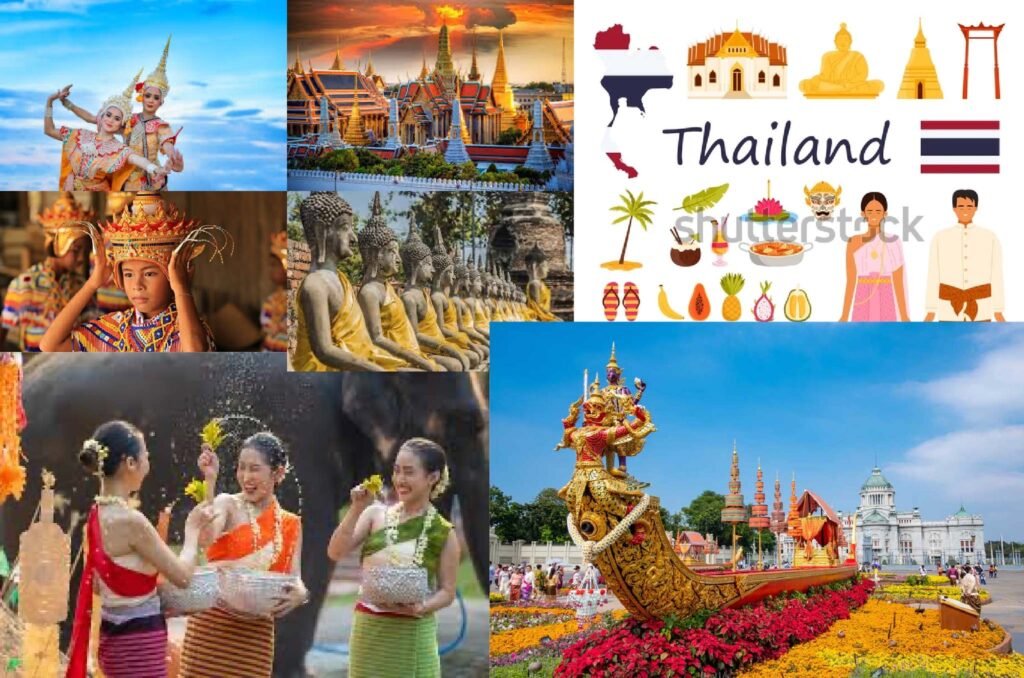
Thailand’s culture, often called the “Land of Smiles,” is a radiant blend of devout Theravada Buddhism and spirited folk traditions. Life is guided by the concepts of “Sanuk” (striving for joy) and “Mai Pen Rai” (a relaxed, “no worries” attitude). This spiritual backbone is visible in the glittering gold spires of temples like Wat Phra Kaew and the ubiquitous spirit houses adorned with marigolds.
The sensory heart of the nation lies in its world-renowned street food, where the balance of sweet, sour, salty, and spicy defines dishes like Pad Thai and Tom Yum. From the high-energy grace of Muay Thai boxing to the intricate beauty of silk weaving and traditional dance, Thailand masterfully pairs deep-seated respect for the monarchy and elders with a vibrant, welcoming modernity.
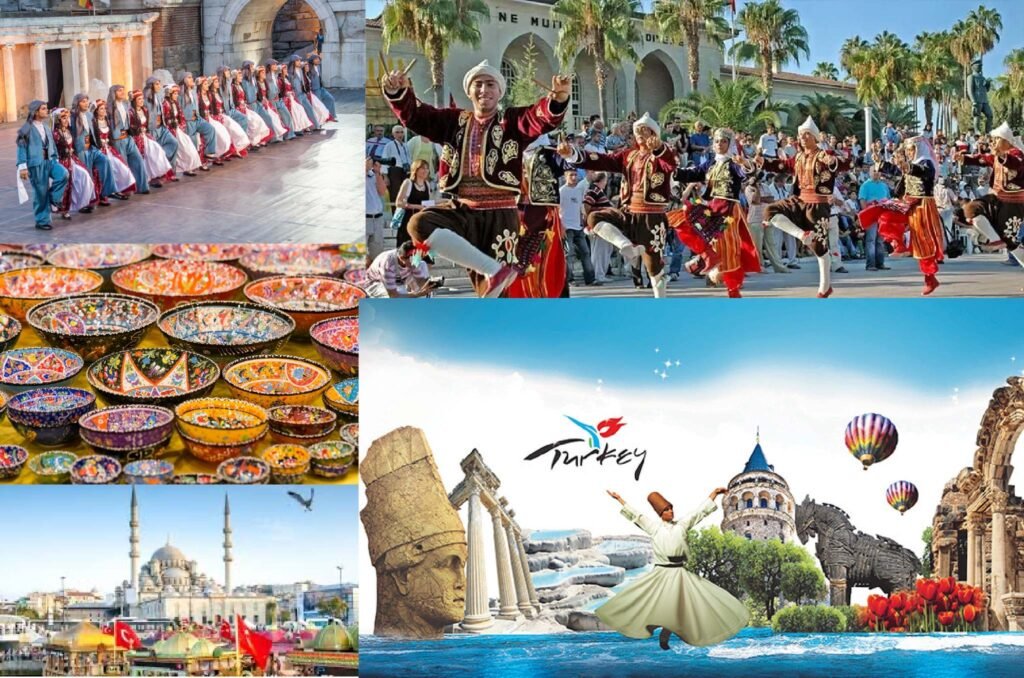
Turkey’s culture is a majestic bridge between East and West, where Ottoman grandeur meets a modern, secular republic. At its heart lies the concept of misafirperverlik (hospitality), often expressed through the endless offering of tulip-shaped glasses of tea. This social warmth is mirrored in the bustling Grand Bazaar and the communal ritual of the Turkish bath, or hamam.
The landscape is dotted with architectural wonders, from the Byzantine mosaics of the Hagia Sophia to the fairy chimneys of Cappadocia. Culinary traditions are equally rich, featuring diverse kebabs, savory mezes, and honey-soaked baklava. From the spiritual “Sema” ceremony of the Whirling Dervishes to the passionate cheers in Istanbul’s football stadiums, Turkey thrives on a unique fusion of deep spirituality and a vibrant, contemporary zest for life.
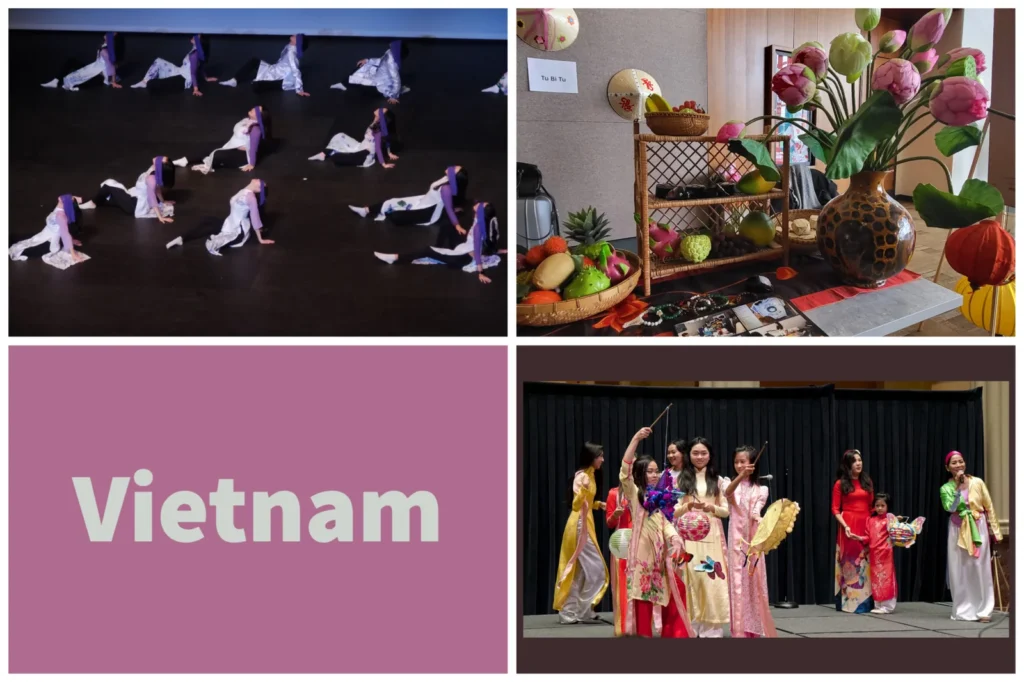
Vietnam’s culture is a resilient and graceful blend of indigenous traditions, Confucian ethics, and French colonial influences. Rooted in an agrarian history, the nation’s soul is tied to the water and the land, famously expressed through the enchanting art of Water Puppetry. The core values of family, ancestral veneration, and educational excellence remain the bedrock of social life.
The aesthetic of Vietnam is epitomized by the elegant Áo Dài and the iconic conical hat, while its cuisine is celebrated globally for its fresh, vibrant flavors. From the aromatic depth of Phở to the communal joy of sipping cà phê đá on a bustling sidewalk, Vietnamese life is a sensory experience. Whether exploring the ancient alleys of Hội An or the modern energy of Ho Chi Minh City, Vietnam maintains a poetic balance between its storied past and a soaring future.